
Styles
Every Blue Lock: Rivals style explained: rarity bands from standard pulls to Master Class and World Class, what each style is built to do, and how the spin pool decides what you get.
Introduction
Styles are the heart of Blue Lock: Rivals and the reason two players who look identical on the pitch can feel like different games. Each style is tied to a character from the series and arrives with its own ability kit, its own awakening and its own implied job within a five-a-side team. The community describes a rarity ladder that runs from ordinary pulls through Master Class to World Class, with limited seasonal variants layered on top during events. We treat those band names as community labels rather than confirmed internal statistics, because no reliable public drop-rate table exists. What is reliable is the shape of the decision: a style is a playstyle commitment, so the useful question is not which one is rarest but which one matches the way you already move on a pitch.
Style Roles At A Glance
| Style group | What it is built to do | Watch out for |
|---|---|---|
| Playmaking styles | Receive between the lines and release the runner with the first pass | Disappearing from the match if your team never passes backwards |
| Dribbling styles | Beat a defender one-on-one and break the first line of pressure | Holding the ball too long while the rest of the team stands still |
| Speed styles | Reach loose balls and break in behind before the defence rotates | Running out of pitch and having to recycle rather than shoot |
| Finishing styles | Convert the half-chance and punish a keeper who has already committed | Trying to create from deep instead of staying high |
Style Archetypes
Playmaking Styles
The styles that make the players around them better. Their value is not measured in goals but in how many attacks reach the box at all, which makes them hard to judge from a scoreboard and very obvious to play against.
Dribbling Styles
These styles want the ball at their feet and a defender in front of them. At their best they pull two opponents toward the touchline and open the middle for a teammate; at their worst they hold possession until the counter is already gone.
Speed Styles
Built around reaching the ball first. Speed styles reward players who read the pass before it leaves a teammate's foot, and they are the most forgiving entry point for someone coming from other Roblox sports games, because the decision is simple even when the execution is not.
Finishing Styles
The styles that end possessions. They are strongest when the team already creates chances, and weakest when they are asked to build attacks from their own half, which is why the same style can look elite in one lobby and useless in another.
Core Mechanics
The style system is a commitment mechanic, not a cosmetic one. Before you queue you pick a style, and that pick defines the ability kit you take into the match; during the match you build Flow through involvement and spend a limited Awakening burst tied to that same style. The spin pool is the other half of the loop: spins and lucky spins draw from pools that the community describes as banded by rarity, with limited variants entering during events. Because rerolls cost currency, the practical decision is whether to chase a specific style or to learn the one you have. Our recommendation across the styles pages is to learn first and chase second, since a style you understand will beat a rarer style you have never practised with.
Advantages
The advantage of thinking in archetypes rather than tier letters is that it stays useful after a patch. A style may receive a rework that changes its numbers, but the job it is built to do rarely changes completely, so knowing that you enjoy playmaking or finishing tells you which pages to read after an update. Archetype thinking also makes the spin pool less frustrating: when a style drops that you did not want, you can immediately judge whether it fills a role you actually play. Finally, it makes team composition easier to discuss, because you can describe what your side is missing instead of arguing about which individual style is strongest in isolation.
Challenges
Rarity is not strength, and that gap is the main source of disappointment in the style system. A World Class pull can sit unused if its kit does not match how you play, while a standard style you have practised for a week can carry matches. The other structural challenge is information: the community has no confirmed drop-rate table, seasonal variants complicate the pool, and reworks arrive without detailed notes. That means any ranking is a snapshot, and any site claiming to know exact percentages is guessing. We keep the language deliberately cautious and label community-sourced conclusions, which is less satisfying than a definitive list but far more honest.
Frequently Asked Questions
Is a rarer style always stronger?+
How many styles are in the game?+
Should I reroll for a specific style?+
Quick Tips
Write down the job you want before you look at the tier list: create, dribble, run in behind, or finish. That single sentence filters the styles hub down to a handful of pages and stops you reading sixteen breakdowns that mostly do not apply to you. It also makes it much easier to ignore hype around a new drop, because you can ask whether the new style does your job rather than whether it is strong in the abstract.
Practise one style for several sessions before judging it. Kits in Rivals have enough nuance that the first two matches mostly measure your unfamiliarity, not the style's quality. Pick a simple routine — one movement pattern, one shooting decision — and repeat it until it feels automatic, then decide. Players who rotate styles every session usually conclude that every style is weak, when what they have actually measured is their own lack of repetition.
When a new style drops, read its archetype before its rarity. A Master Class playmaker is not competing with a World Class finisher for your attention; they are competing with the playmaker you already own. Judging a drop by its band alone leads to collecting styles you never queue with, which is the most common way a collection grows while a player's actual performance stays flat.
Featured
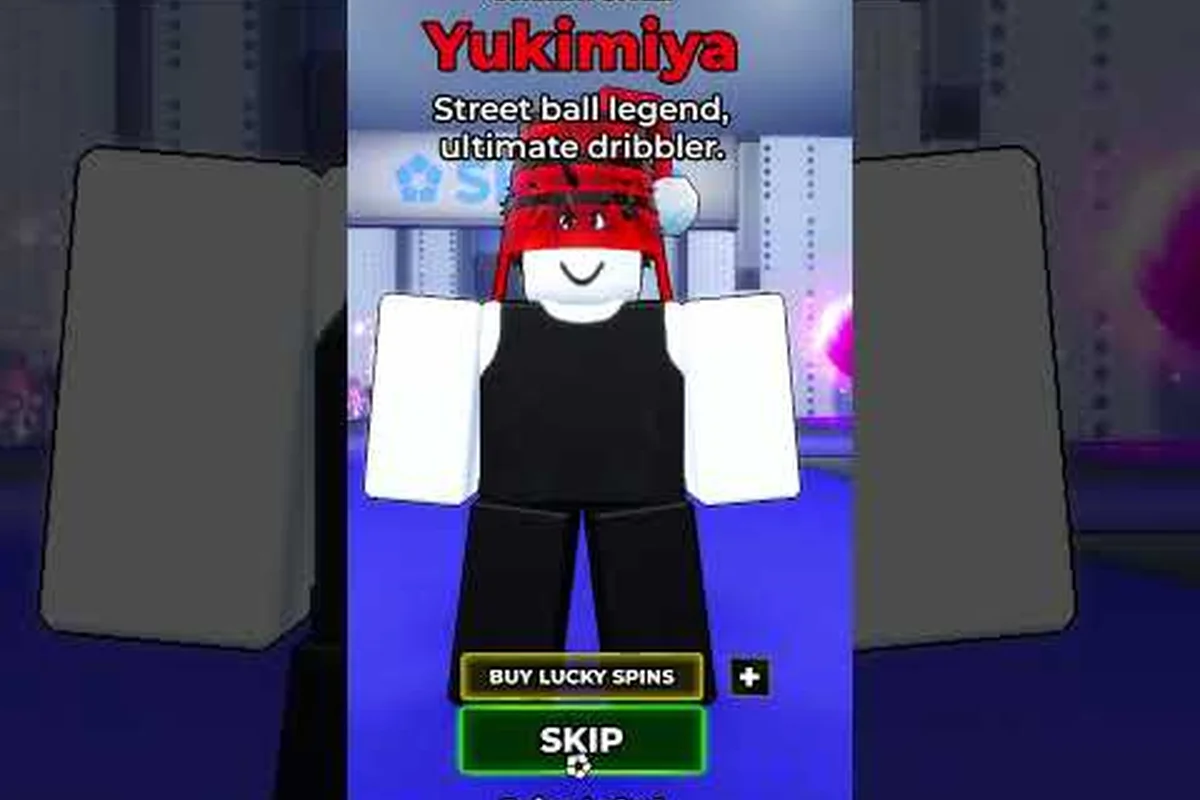
Blue Lock: Rivals How to Get Styles: Spins and Rerolls
Learn Blue Lock: Rivals how to get styles through spins, rerolls, upgrades, seasonal releases, and tier checks while avoiding wasted resources in Roblox.
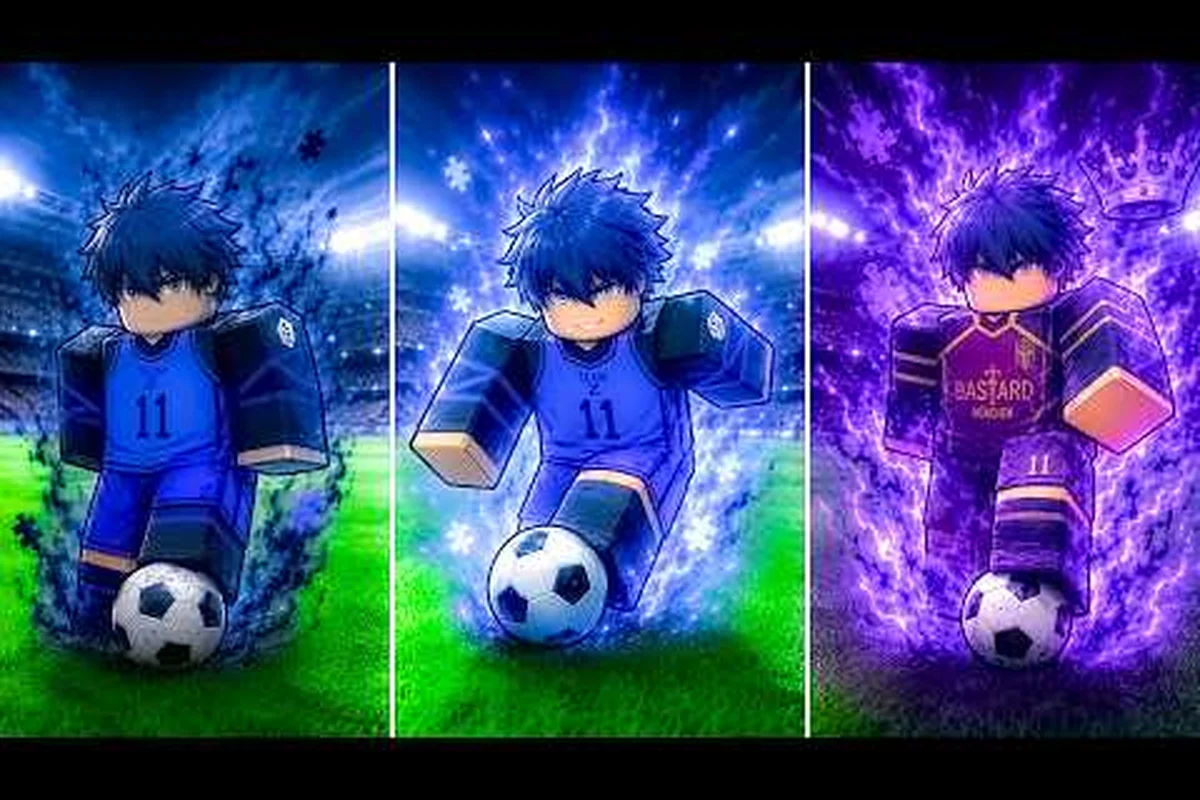
Blue Lock: Rivals Isagi Style Guide
Master blue lock rivals isagi style with its field-reading ability, best role in 5v5 Roblox matches, and tips for turning spatial awareness into goals.

Blue Lock: Rivals Loki Style Guide: Abilities and Match Impact
Master blue lock rivals loki style with detailed ability analysis, ideal positioning, trickery tactics, and direct comparisons with Kaiser, Isagi, and Lavinho.
All Articles

Blue Lock: Rivals Master Class Styles: Limited Picks Compared
Explore Blue Lock: Rivals master class styles, comparing limited traits, mastery rewards, role fit, and strongest picks for competitive Roblox matches.

Blue Lock: Rivals Nel Styles and Variants
Review Blue Lock: Rivals Nel styles, including Nel Rin, Nel Bachira, Nel Sae, and Nel Aiku, plus seasonal Halloween and Christmas variants.
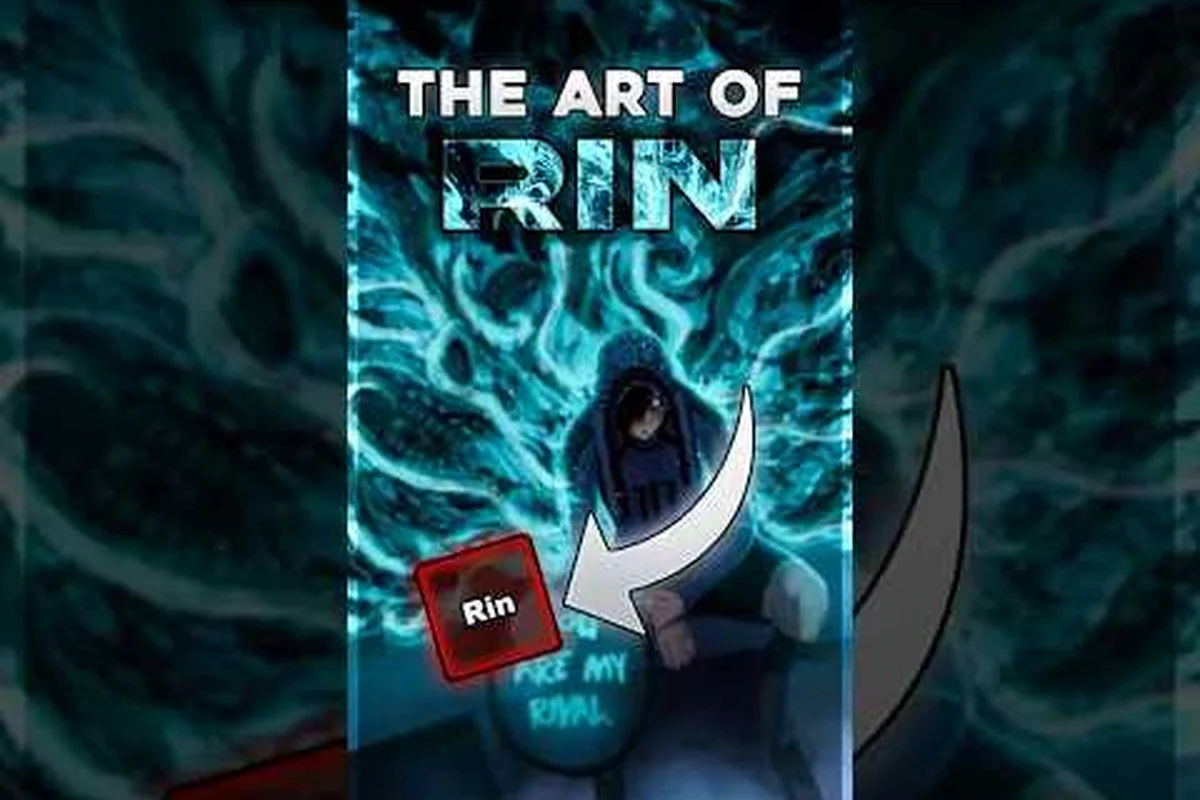
Blue Lock: Rivals Rin Style Guide: Abilities, Roles, and Tips
Master blue lock rivals rin style with detailed ability analysis, dribbling tactics, role recommendations, and comparisons against Sae, Shidou, and Kaiser.
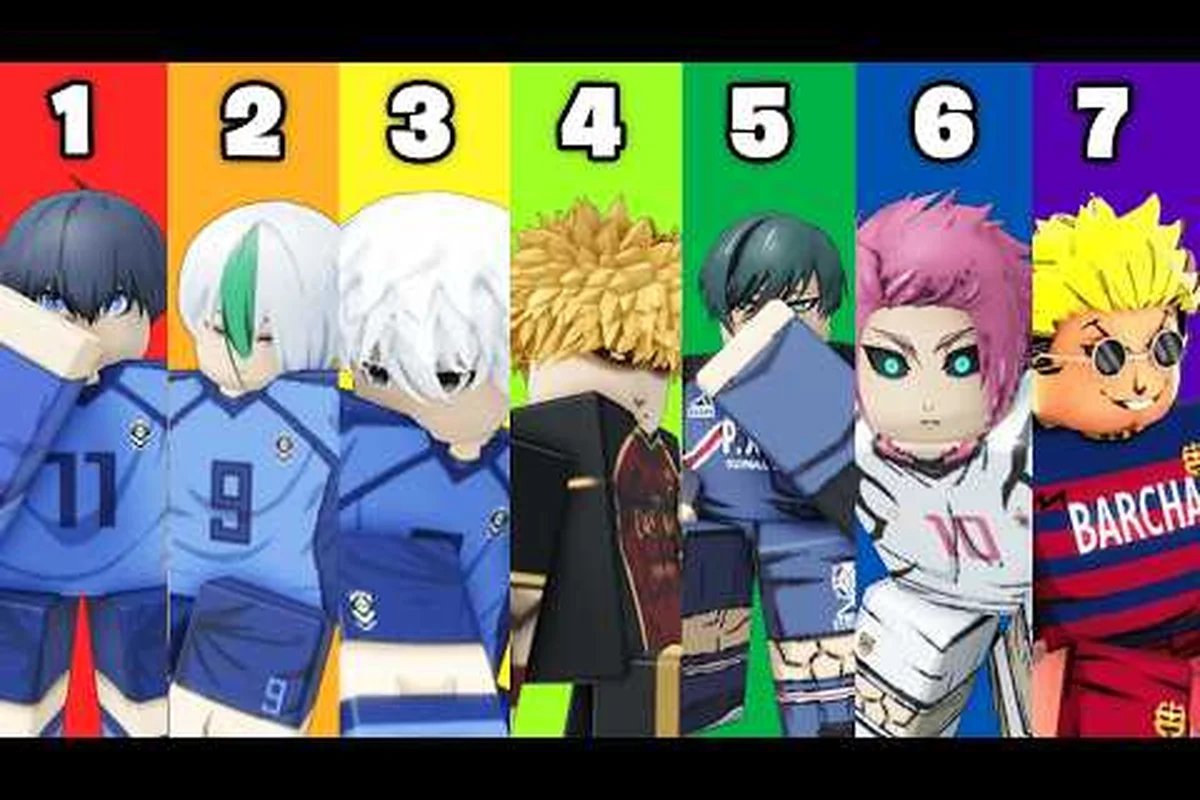
Blue Lock: Rivals Style Rarity Guide: Labels Explained
Understand blue lock rivals style rarity through community labels, confirmed Master Class and World Class pulls, and what the official game page leaves unannounced.
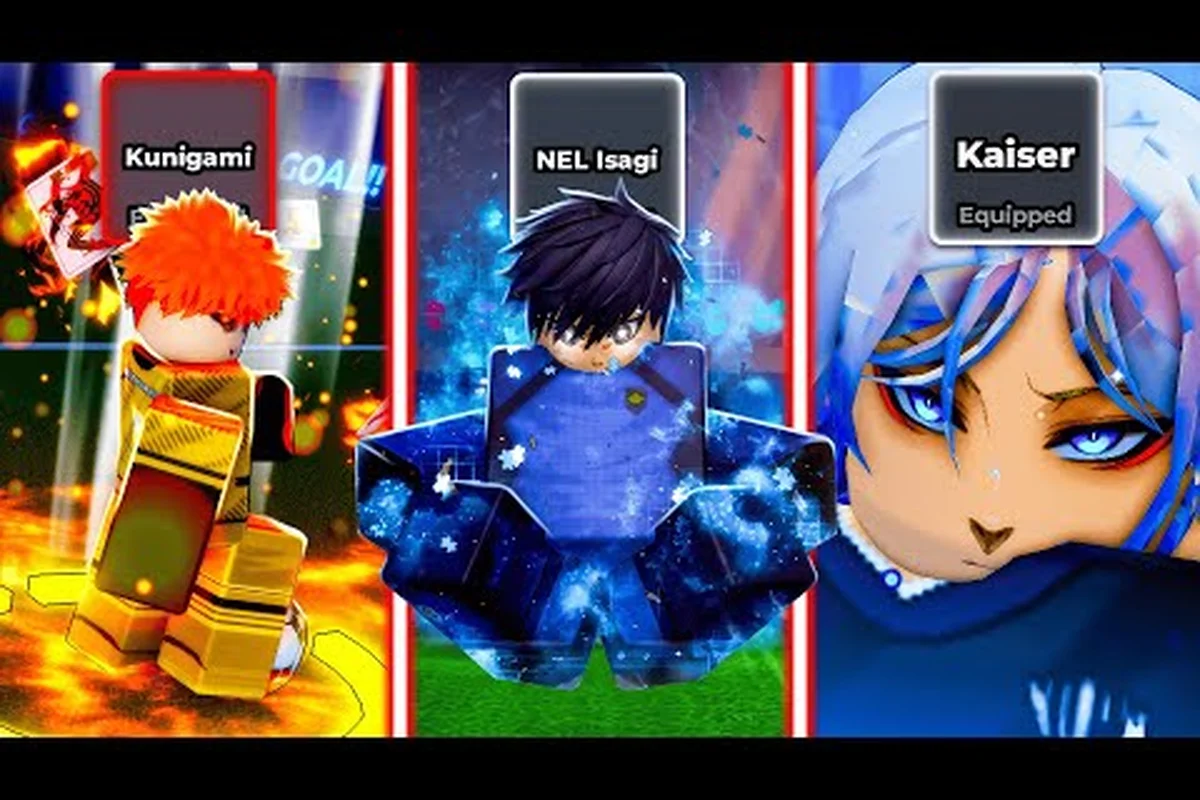
Blue Lock: Rivals Styles: Complete Ability and Role Comparison
Explore Blue Lock: Rivals styles through signature abilities, ideal roles, and standout traits that help you select the right playstyle for every match.