Skills
Blue Lock: Rivals techniques broken down one input at a time: shooting, dribbling, headers, passing, stealing and the combos that chain them into a single attacking move.
Introduction
Under every style sits the same mechanical layer: shooting, dribbling, headers, passing, stealing and the combination chains that link them together. Styles change which of these you lean on and how forgiving they are, but they do not replace the fundamentals. A player who can pass under pressure and shoot without a long wind-up will contribute with almost any kit, while a player who only knows one flashy move becomes predictable within a match. This hub breaks each technique into the situation it solves and the mistake it usually produces. We deliberately avoid listing exact keybinds here because the input mapping varies by platform and by player, so the controls hub handles device-specific settings while these pages focus on when a technique is the right choice at all.
Technique Reference
| Technique | Category | When it wins |
|---|---|---|
| Shooting | Finishing | Inside the box, keeper already committed, no time for a second touch |
| Dribbling | Ball control | A defender steps out and leaves space behind them |
| Rainbow Flick | Escape move | Pinned on the touchline with no pass available |
| Passing | Build-up | Two defenders collapse and a teammate is free on the far side |
Technique Families
Finishing
Shooting, headers and first-time finishes share one principle: the decision comes before the ball arrives. Close-range finishing is decided by the wind-up, not the aim, because a slow preparation gives the keeper time to set themselves and narrow the angle. The page covers power against placement and why the wind-up usually matters more than the aim.
Ball Control
Dribbling and close control are about the space you keep available, not the number of moves you know. The best dribblers in a five-a-side match are usually the ones who change direction once, decisively, rather than chaining three moves in place.
Aerial Play
Headers rarely dominate a short match, but they decide set pieces and crosses. The jump starts before the ball arrives rather than when it does, and the useful target is usually across the keeper rather than back where the cross came from.
Defensive Technique
Stealing and tackling are about delay first and contact second. A challenge that arrives a fraction early leaves a hole behind you; a challenge that waits forces the attacker into a worse angle and gives your keeper a readable shot to save.
Core Mechanics
The mechanics of a technique matter less than the situation it is chosen for. A rainbow flick that beats a defender on the touchline is worth nothing if the next touch has nowhere to go, and a simple pass that releases a runner is worth more than any skill move in the game. This is why the skills pages are organised by outcome instead of by input: finishing, ball control, aerial play and defending each have a small set of decisions that repeat every match. Once you can recognise the situation, the input is usually easy. Players who learn inputs without situations end up with a bag of moves that never quite fit the match in front of them, which is the most common plateau in this game.
Advantages
Working on techniques separately produces faster progress than trying to improve everything at once. Pick one family, give it a session, and judge it by whether the situation appeared at all rather than by whether the highlight landed. Because matches are short, a single technique practised deliberately will show up more often than you expect, and the repetition under real pressure is what makes it usable later. Technique work also transfers across styles: a player who has learned to wait for the attacker's touch will defend competently with any kit, and a player who can finish first time will convert chances regardless of which finishing style they own.
Challenges
The honest difficulty is that Rivals gives you very little structured practice. There is no training mode with repeatable situations described anywhere reliable, so most players learn in live matches where mistakes cost goals and teammates are unpredictable. Techniques that need a specific setup, such as headers from a good cross, may appear once or twice a session, which makes deliberate practice slow. The other risk is copying inputs from a clip without the situation that produced them: the move works in the clip because of where the defender was, and without that context it becomes a habit that loses the ball.
Frequently Asked Questions
Which technique should I learn first?+
Why do my skill moves never work?+
Do techniques change with styles?+
Quick Tips
Practise one technique per session and define success as the situation appearing, not the highlight landing. If you are working on headers, count how many crosses arrived and whether you started your jump early; the goal is a repeatable decision, and the goal itself will follow once the timing is automatic rather than something you think about mid-air.
When a move fails, review the second before it rather than the move itself. Nine times out of ten the failure was a poor first touch, a defender already balanced, or a run that left no outlet. Fixing the setup is faster than learning a new escape, and it also teaches you to read defenders, which is the skill that actually carries between matches and between styles.
Keep one simple chain in your pocket: a pass, a movement, and a shot. Simple chains are more reliable than long combo strings in a five-a-side match because there is less time and less space, and they give your teammates something predictable to read. The players who look most skilful in Rivals are usually not doing more moves; they are doing one move at the right moment and then moving again.
Featured
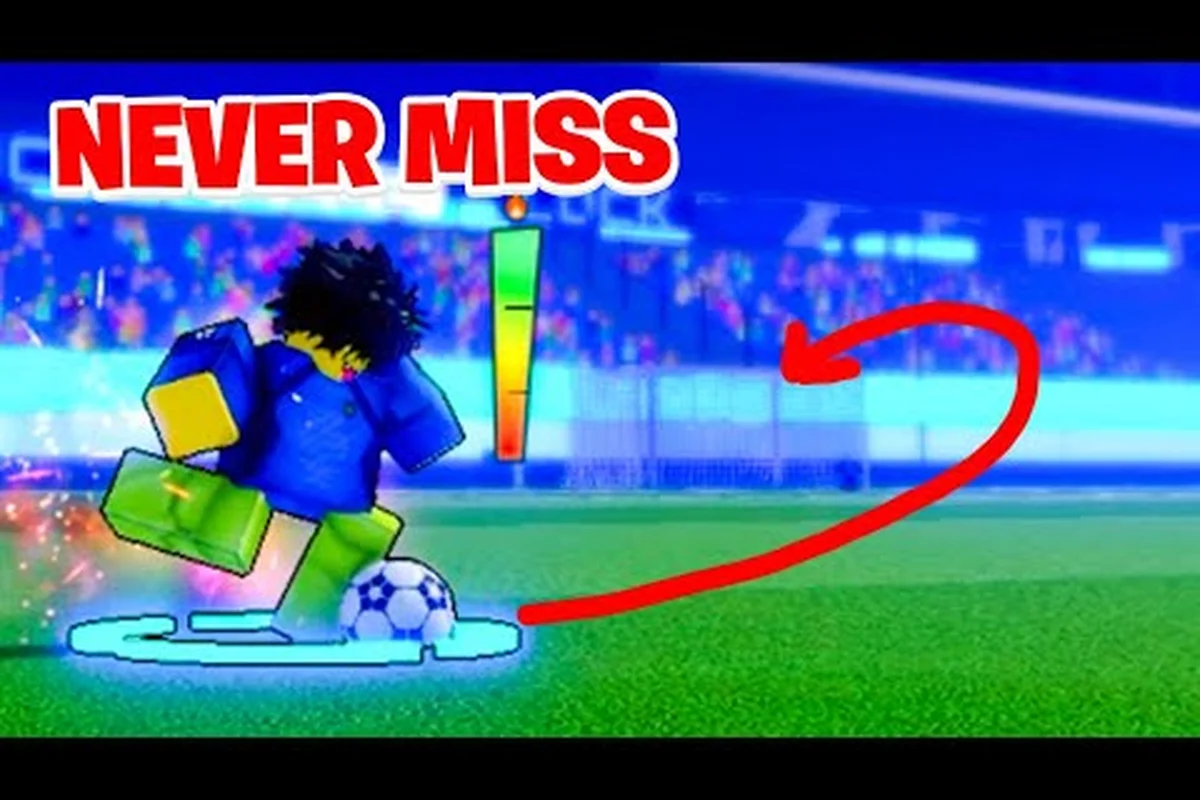
Blue Lock: Rivals Skills and Move Timing
Learn Blue Lock: Rivals skills, cooldown timing, and core techniques for controlling the ball and creating scoring opportunities in fast 5v5 Roblox play.
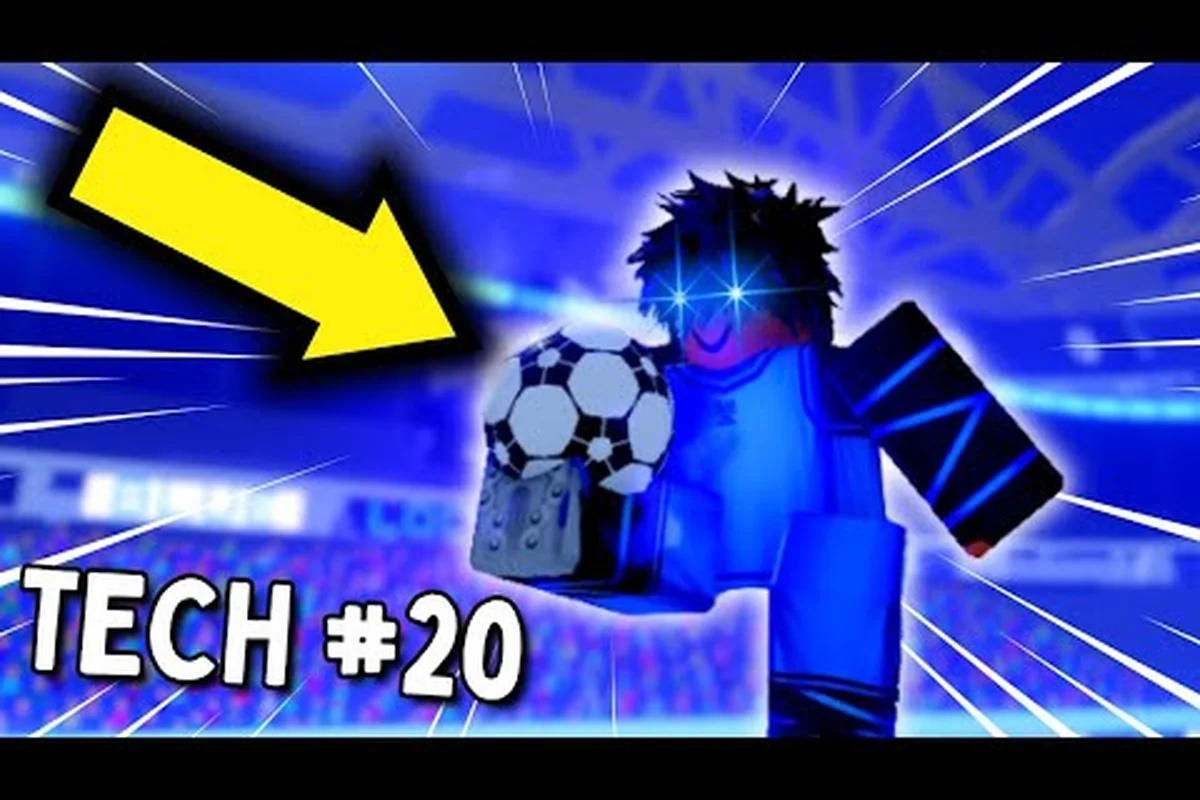
Blue Lock: Rivals Combos for Match-Winning Plays
Discover Blue Lock: Rivals combos that link offensive skills, flow boosts, and precise timing into repeatable plays for dominating 5v5 Roblox matches.
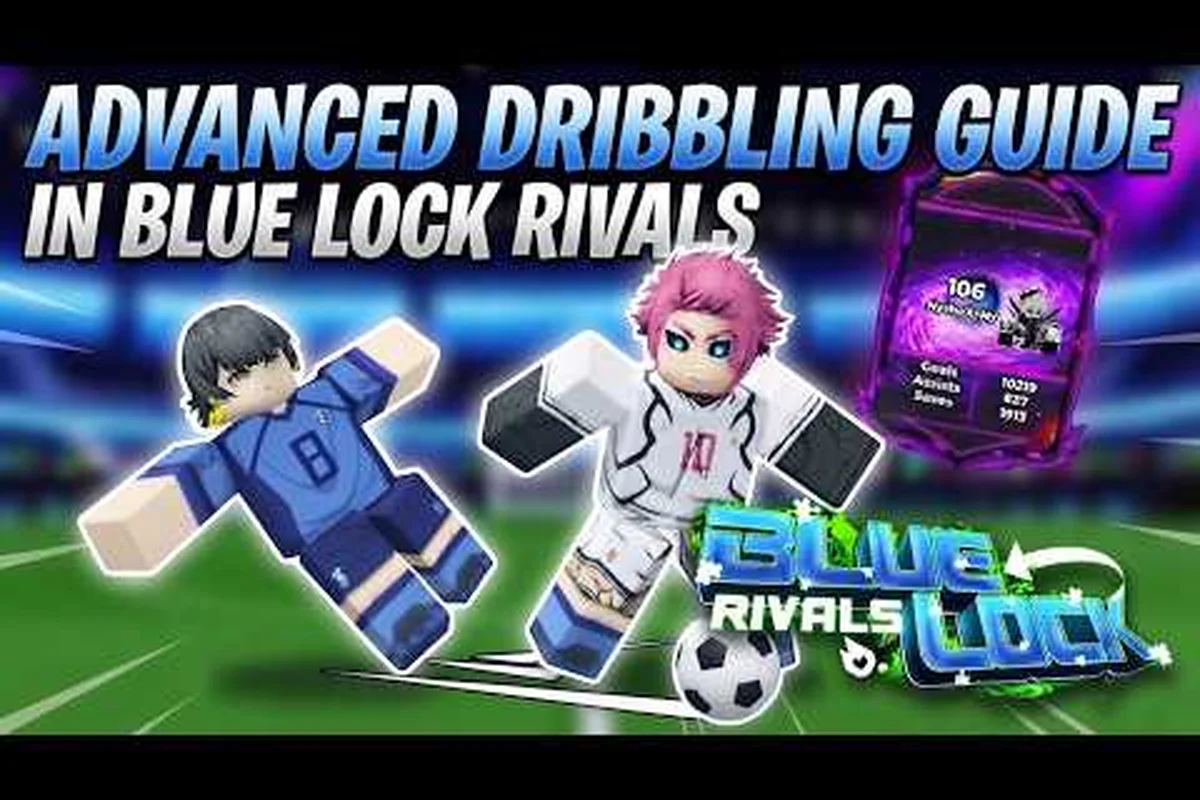
Blue Lock: Rivals Dribbling Guide and Flicks
Master blue lock rivals dribbling guide mechanics, including first touches, feints, rainbow flicks, and ball control for beating defenders in Roblox.
All Articles
Blue Lock: Rivals Headers for Aerial Duels
Learn blue lock rivals headers for crossing, volleys, set pieces, and aerial duels to turn high balls into scoring chances in 5v5 Roblox matches.
Blue Lock: Rivals Passing Guide for Through Balls and One-Two
Master blue lock rivals passing with through balls, one-two sequences, sprint timing, and smart movement for cleaner attacks in 5v5 Roblox play.
Blue Lock: Rivals Shooting Guide for Power and Curved Shots
Master Blue Lock: Rivals shooting tactics with power shots, curved finishes, precise timing, and better decision-making in competitive 5v5 matches.
Blue Lock: Rivals Stealing the Ball Techniques
Learn blue lock rivals stealing the ball with clean tackles, slide tackles, and ankle breakers that turn defensive pressure into counterattacks in Roblox.